

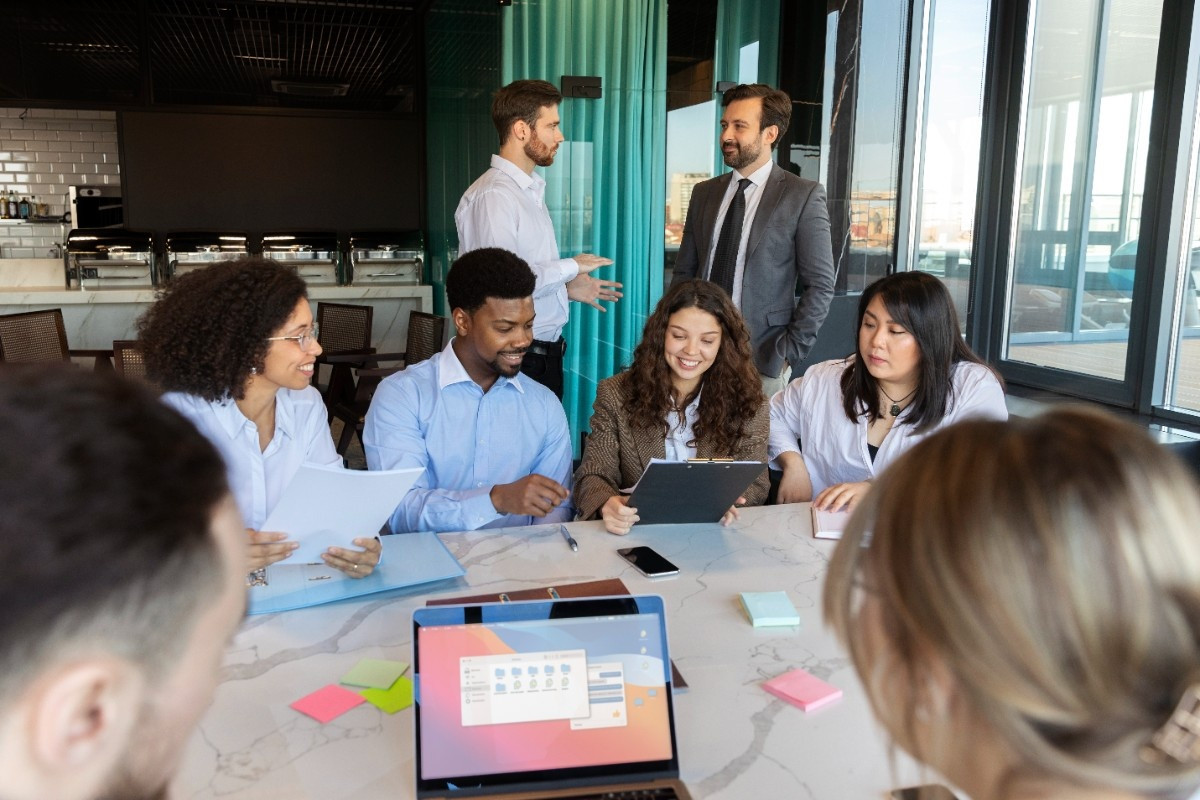
In the 2026 event industry is entering a new phase where creativity, technology, innovation and audience expectations are reshaping how events are planned and marketed. Events are no longer just gatherings or promotional campaigns—they are the experiences that help brands build communities, strengthen relationships,social networks and generate measurable results.
For planning events and marketing, staying updated with the latest trends is essential to remain competitive. In 2026, innovation is happening across every stage of planning a summit. Let's see what’s new and what organisers in the industry should focus on this year.
What is Event planning and why is this necessary?
Event planning is the process of organizing a business gathering where people come together to share knowledge, discuss industry trends related topics, network, and learn from the experts. In this context, it focuses specifically on managing all the requirements to run a successful conference—from initial concept to post-event follow-up of arranging all the details of an event such as venue, budget, schedule, guests, marketing, and logistics to make the event successful.
Planning is important for organising an event because it helps:
Plan for organising an event is not just the task, it’s an impact of building a brand for the running industries trends.
Event Planning Is Becoming Standard by incorporating AI
Artificial intelligence is transforming the events organising industry. Many event organisations are aware and use AI tools to plan schedules, manage attendance, generate marketing content, analyze attendee behavior, and automate communication with participants. This technology helps planners reduce manual work and focus more on strategy and creativity.
AI also supports smarter decision-making by predicting attendance patterns, recommending session topics, and identifying what type of event format is likely to perform better. Some companies are even using AI simulations to test event concepts before launching them. This means event planning in 2026 is more data-driven and efficient than ever before.
Personalized Attendee Experiences for organising an Event
The change in 2026 is personalization of attendees. They expect events and conferences that feel designed specifically for them. Generic conferences or seminars which are almost similar in nature over the decades are becoming less effective, while customized experiences planning for them are gaining much popularity over the period of time.
Basically organizers are now using data insights to send personalized invitations, suggest relevant sessions, and create effective networking opportunities. Performing Automated Personalized agendas, and targeted marketing campaigns are helping events achieve better engagement and stronger audience satisfaction.
This shift is making the audience and organisers feel more connected to the event and making the brand behind it.
Planning for Small With Bigger Impact
While large conferences still exist, the main thing is they plan for organising a successful conference– starting with some small elements that entitle them together and capturing sponsors with the effective engagements that maintains the brand value intact. The proper schedule ensures the better investments for attendee engagement to audience capturing attention through their workshops, industry meetups, community gatherings, or private networking sessions.
Events for smaller and bigger allow deeper conversations, better networking, and more meaningful interactions. Instead of measuring success only by the number of attendees, organizers are now evaluating engagement levels, participant feedback, and business outcomes.
In 2026, quality of interaction is becoming more important than the size of the crowd.
Hybrid Events Are Becoming More Efficient to run
Hybrid events continue to evolve. However, in 2026 they are being used more thoughtfully rather than as a default approach over the decades. Planners now design hybrid experiences that offer value to both audiences instead of simply streaming a physical event online. Virtual attendees may have access to exclusive digital sessions, interactive tools, and networking platforms that enhance their experience.
This approach helps organizations reach global audiences while still maintaining the benefits of in-person interaction.
Experience-Driven Event Design
In 2026, events are designed to create memorable experiences rather than simply deliver information. Organizers are focusing on storytelling, creative themes, and interactive elements that engage participants.
For example, events may include immersive environments, themed networking spaces, live demonstrations, and interactive sessions that encourage attendees to participate rather than just observe.
This shift is helping brands build stronger emotional connections with audiences and generate more social media engagement.
Community-Focused Event Marketing
Event marketing strategies are also changing. Instead of promoting events only through advertisements, companies are building communities around their events.
Online groups, forums, and social media communities allow attendees to interact before and after the event. This helps create long-term relationships and encourages repeat participation.
Community-driven events also benefit from word-of-mouth promotion, which can be more effective than traditional marketing campaigns.
Data-Driven Event Strategies
Data analytics is becoming an essential tool for event marketers in 2026. Organizers now track metrics such as attendee behavior, session popularity, networking activity, and engagement levels.
This data helps planners understand what works and what needs improvement. It also allows them to design future events based on real insights rather than assumptions.
As a result, events are becoming more strategic and result-oriented.
The Strong Return of In-Person Events
Even with the growth of digital technology, face-to-face events remain extremely valuable. Many professionals believe that in-person interactions create stronger connections, better networking opportunities, and higher engagement.
In 2026, many organizations are investing again in high-quality physical events that provide meaningful experiences for attendees. These events often combine professional learning, entertainment, and networking opportunities in one place.
Future Outcomes
Looking ahead in 2026, the modern planning tools will continue evolving as technology advances and audience expectations change. Organisers who adapt to these changes will be better positioned to succeed.
The most successful events in 2026 are those that combine technology, creativity, and community engagement. By focusing on these elements, professionals can create experiences that leave a lasting impression on attendees.
Frequently Asked Questions (FAQs)
1. What are the biggest trends for planning for events in 2026?
The biggest trends include AI-powered planning, unique experiences, sustainability, and community-driven marketing strategies.
2. How is AI helping planning events and conferences in 2026?
AI helps automate tasks, analyze attendee data, predict event performance, personalize communication, and improve overall planning efficiency.
3. Are hybrid events still popular in 2026?
Yes, hybrid events remain popular, but they are now used more effectively to reach global audiences while maintaining strong in-person engagement.
4. Why is personalization for an attendee important in events?
Personalization improves attendee satisfaction, increases engagement, and helps participants feel more connected to the event.
5. How are event marketers promoting events in 2026?
Many marketers are focusing on community building, social media engagement, targeted campaigns, and content marketing.
6. Is sustainability really important for events now?
Yes, many attendees prefer eco-friendly events, making sustainability an important factor in event planning and brand reputation.
7. Are small events replacing large conferences?
Not completely, but many organizations are hosting smaller events alongside large conferences to build stronger connections with attendees.
8. What technologies are commonly used in modern events?
Common technologies include AI tools, events organising platforms, data analytics and insights, virtual networking tools like immersive technologies that keep growing.
9. Why are in-person conferences still valuable?
Attending an In-person conference creates stronger networking opportunities, and more memorable experiences compared to fully digital events.
10. How can organisations stay competitive in 2026?
Organisations should adopt new technology, focus on attendee experience, use data insights, for planning events that build long-term communities.