

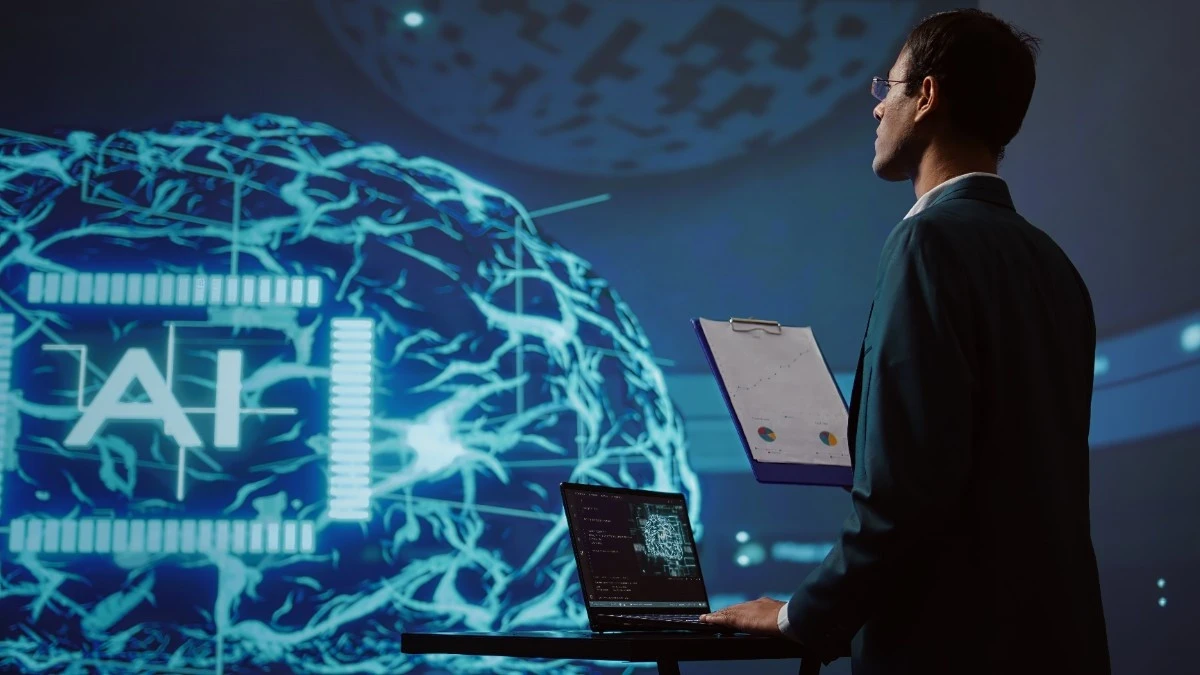
The events industry is entering a new era driven by rapid advancements in artificial intelligence. By 2026, AI is expected to play a crucial role in how events and conferences are planned, managed, and experienced. From corporate summits and trade shows to academic conferences and hybrid events, AI technologies are reshaping every stage of the event lifecycle.
As attendee expectations rise and event formats become more complex, organizers are turning to AI-powered tools to improve efficiency, personalization, and overall impact. If you are not practicing with AI tools this is the best time to do so. The transformation is not about replacing human creativity but enhancing it with intelligent systems to prompt efficiently for better experiences.
Smarter Summit Planning Through Predictive Insights
AI is enabling data-driven event planning. By analyzing previous attendance data of attendees, engagement patterns, and industry trends, AI systems can predict attendance numbers, identify popular session themes, and recommend optimal event dates, so that the organisation won’t face any trouble while planning for the summits..
In 2026, event and conference planners will rely more heavily on predictive analytics to reduce uncertainty and make informed decisions. This minimizes risk and increases the likelihood of successful outcomes.
Personalized Attendee Experiences
One of the most significant transformations AI brings to academic events is personalization. Attendees increasingly expect content and networking opportunities tailored to their interests.
Using AI algorithms can help you to analyze registration data, networking, prestations, and session preferences to suggest:
This level of customization enhances engagement and consumer satisfaction.
Automated Registration and Check-In
AI will streamline registration and on-site check-in processes. Facial recognition, QR code scanning, and automated verification systems will reduce waiting times and improve security.
This creates a smoother first impression for attendees while improving operational efficiency for organizers.
Enhanced Networking Through AI Matching
Networking is a primary reason people attend events. AI-powered matchmaking systems will analyze professional backgrounds, research interests, and business goals to connect attendees with relevant contacts.
By 2026, intelligent networking tools are expected to replace random interactions with structured, meaningful connections.
Improved Content Management and Session Optimization
AI can evaluate attendee engagement levels during sessions by analyzing feedback, participation, and digital interaction data. This helps organizers identify high-performing speakers and popular topics.
Future events can then be refined based on actionable insights, improving content relevance and audience satisfaction.
AI in Hybrid and Virtual Events
Hybrid and virtual events are here to stay with AI it’s easy to manage tasks, cost saving, easy to set up on various platforms and on demand access. AI supports integration between in-person and online participants by managing live streaming quality, moderating chat discussions, and recommending virtual networking opportunities.
In 2026, AI-driven tools will ensure equal engagement for both physical and remote attendees.
Fraud Detection and Security Enhancements
AI enhances event security by identifying suspicious registration behavior, detecting duplicate entries, and monitoring unusual patterns in ticket purchases.
This proactive approach protects both organizers and participants. Always go through the privacy policy before sharing any sensitive information in an AI tool.
Sustainability and Resource Optimization
AI also contributes to sustainable event planning. By analyzing resource usage, travel patterns, and material consumption, AI can suggest strategies to reduce waste and lower environmental impact.
Sustainability will become a key focus area for AI-powered event management systems by 2026.
AI Chatbots for Instant Support
AI-powered chatbots are expected to become standard in various conferences by 2026. These virtual assistants provide real-time answers to attendee questions regarding schedules, venues, speaker information, and technical support without getting any trouble.
Available 24/7, chatbots work in real time which reduce pressure on support teams and ensure that participants receive immediate assistance before, during, and after the event.
The Human-AI Intraction Model
Despite its growing influence, AI is not replacing event professionals. Instead, it supports them by handling repetitive tasks, analyzing large datasets, and providing actionable insights.
The future of events lies in a collaborative model where human creativity and AI intelligence work together to create memorable experiences.
Conclusion
By 2026, AI is expected to transform events in ways that go beyond automation. From personalized attendee journeys and predictive planning to enhanced networking and improved security, AI will become deeply integrated into event strategies.
Organizations that adopt AI responsibly and strategically will gain a competitive advantage, delivering smarter, more efficient, and more engaging events in an increasingly digital world.
Frequently Asked Questions (FAQs)
1. What role will AI play in events by 2026?
AI will support planning an event, networking, providing security, and overall event management through automation and data analysis.
2. How does AI improve attendee experience in academic events?
AI personalizes schedules, recommends sessions, facilitates networking, and provides instant assistance through chatbots.
3. Will AI replace event planners?
No. AI will not replace event planners; it enhances productivity by automating routine tasks, while planners focus on creativity and strategy for organising an event.
4. Can AI help increase event attendance?
Yes, by doing predictive analytics and targeted marketing powered by AI can attract the right audience and improve revenue.
5. How does AI support hybrid events?
AI manages live interactions, moderates discussions, and ensures smooth integration between virtual and physical attendees.
6. Is AI useful for small events?
Yes. AI tools are scalable and can be adapted to all types of events of all sizes.
7. How does AI enhance networking opportunities?
AI matches attendees based on shared interests, professional backgrounds, and goals.
8. Can AI improve event security?
Yes. AI detects unusual activity, prevents fraudulent registrations, and strengthens access control systems.
9. Does AI contribute to sustainable events?
AI helps optimize resources, reduce waste, and plan environmentally responsible events.
10. Why should event organizers adopt AI by 2026?
Because AI improves efficiency, enhances attendee satisfaction, supports data-driven decisions, and increases overall event success.