

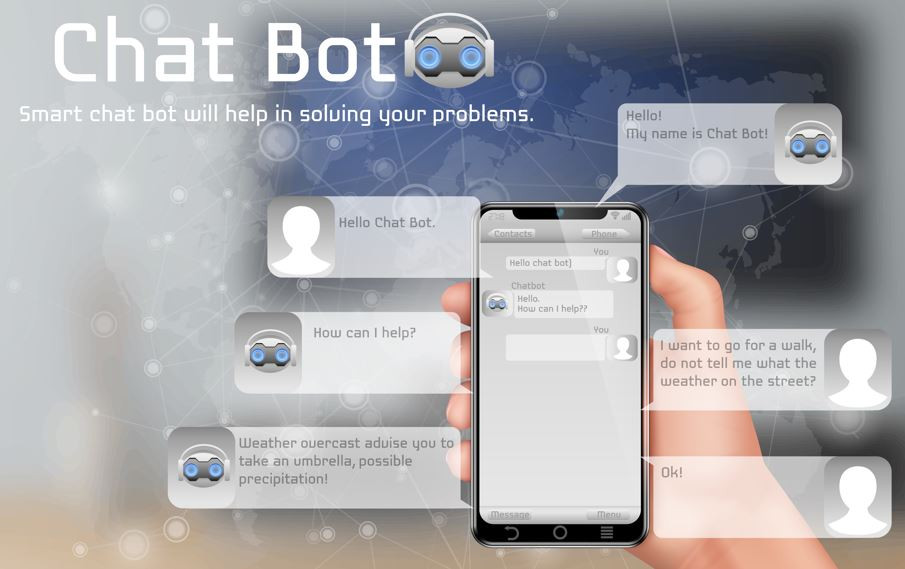
Academic conferences are undergoing a major transformation as digital technologies redefine how knowledge is shared and experienced among people. Among these innovations, AI chatbots are emerging as one of the most impactful tools shaping academic conferences in 2026 which is basically designed to provide instant assistance, automate communication, and personalize interactions. AI chatbots are steadily becoming an essential part of modern conference ecosystems.
As conferences expand in scale, adopt hybrid formats, and welcome global participation, AI chatbots are helping organizers manage complexity while improving the overall experience for researchers, reviewers, speakers, and attendees.
Understanding AI Chatbots in Academic Conferences
AI chatbots are intelligent virtual assistants powered by artificial intelligence, natural language processing, and machine learning. In academic conferences, these chatbots are integrated into websites, registration portals, mobile apps, and messaging platforms to provide real-time support and information.
Unlike static FAQs or manual helpdesks, The chatbots learn from interactions, respond instantly, and operate continuously, making them highly effective for large and time-sensitive academic events.
Increased Adoption Across Conference Stages
By 2026, AI chatbots are no longer limited to attendee support during the event. They are actively used before, during, and after conferences. From answering submission-related queries to post-event feedback collection, chatbots cover the entire conference lifecycle.
Integration with Conference Management Systems
AI chatbots are increasingly integrated with abstract submission systems, reviewer management tools, registration platforms, and scheduling software. This integration allows chatbots to provide accurate, context-aware responses based on real-time data.
Personalized Academic Experiences
One major trend in 2026 is personalization. AI chatbots analyze attendee interests, research domains, and session history to recommend relevant presentations, workshops, and networking opportunities, creating a more tailored conference experience.
Multilingual and Inclusive Support
With growing international participation, AI chatbots are becoming multilingual, enabling conferences to communicate effectively with diverse audiences and improve accessibility for global researchers.
1. Conference Organizers
AI chatbots significantly reduce administrative workload by handling repetitive queries related to registration, schedules, submission deadlines, and venue logistics. This allows organizers to focus on strategic planning and academic quality.
2. Authors and Researchers
For authors, AI chatbots provide instant guidance on abstract and paper submission guidelines, formatting rules, and submission status updates. This improves clarity and reduces confusion during critical submission periods.
3. Reviewers and Committees
Reviewers benefit from automated reminders, easy access to instructions, and quick answers to procedural questions. Program committees can rely on chatbots to streamline communication and improve response times.
4. Impact on Attendees
Attendees enjoy real-time assistance for session navigation, speaker details, venue directions, and schedule changes. Chatbots help create a smoother and more engaging conference journey.
Hybrid and virtual conferences are now a permanent part of the academic landscape. AI chatbots play a crucial role in bridging the gap between physical and digital participants by offering consistent support across platforms and time zones.
In 2026, chatbots help virtual attendees access live sessions, recordings, and interactive features while ensuring that on-site participants receive the same level of support.
While AI chatbots offer efficiency and scalability, their use must be guided by ethical and practical considerations. Conferences must ensure transparency about chatbot usage, protect participant data, and provide human support for complex or sensitive issues.
AI chatbots are most effective when used as supportive tools rather than complete replacements for human interaction.
Looking ahead, AI chatbots are expected to become more conversational, context-aware, and proactive. The chatbots may anticipate attendee needs, assist with academic networking, and support real-time decision-making for organizers.
As artificial intelligence continues to evolve, AI chatbots will play a supporting role in shaping smarter communication, responsiveness in academic conferences.
AI chatbots are transforming academic conferences by improving communication, reducing operational burden, and enhancing participant experience. In 2026, their impact extends far beyond basic support, influencing how conferences are planned, managed, and experienced.
By embracing AI chatbots responsibly, academic conferences can create more efficient, inclusive, and engaging platforms for scholarly exchange—meeting the expectations of a digitally connected research community.
1. What are AI chatbots in academic conferences?
AI chatbots are intelligent virtual assistants that help manage communication, provide information, and support attendees, authors, reviewers, and organizers throughout a conference.
2. Why are AI chatbots becoming important for conferences in 2026?
As conferences grow larger and more global, AI chatbots help deliver instant support, reduce manual workload, and improve participant experience across digital and hybrid formats.
3. How do AI chatbots assist conference organizers?
They handle repetitive queries, automate reminders, share schedules, and provide real-time updates, allowing organizers to focus on planning and academic quality.
4. Can AI chatbots support paper and abstract submissions?
Yes. AI chatbots can guide authors through submission steps, deadlines, formatting rules, and status updates.
5. Are AI chatbots useful for hybrid and virtual conferences?
Absolutely. They provide consistent support to both on-site and remote participants, regardless of time zones.
6. Do AI chatbots personalize the attendee experience?
Yes. Based on interests and interaction history, chatbots can recommend relevant sessions, speakers, and networking opportunities.
7. Are AI chatbots secure for academic conference data?
When properly implemented, AI chatbots follow data protection practices and ensure secure handling of participant information.
8. Will AI chatbots replace human conference staff?
No. AI chatbots complement human teams by handling routine tasks, while humans manage complex and sensitive interactions.
9. Can AI chatbots support multiple languages?
Yes. Many AI chatbots offer multilingual support, making conferences more inclusive for international participants.
10. What is the future of AI chatbots in academic conferences?
AI chatbots will become more intelligent, proactive, and integrated, helping conferences deliver smarter, more engaging, and efficient experiences beyond 2026.